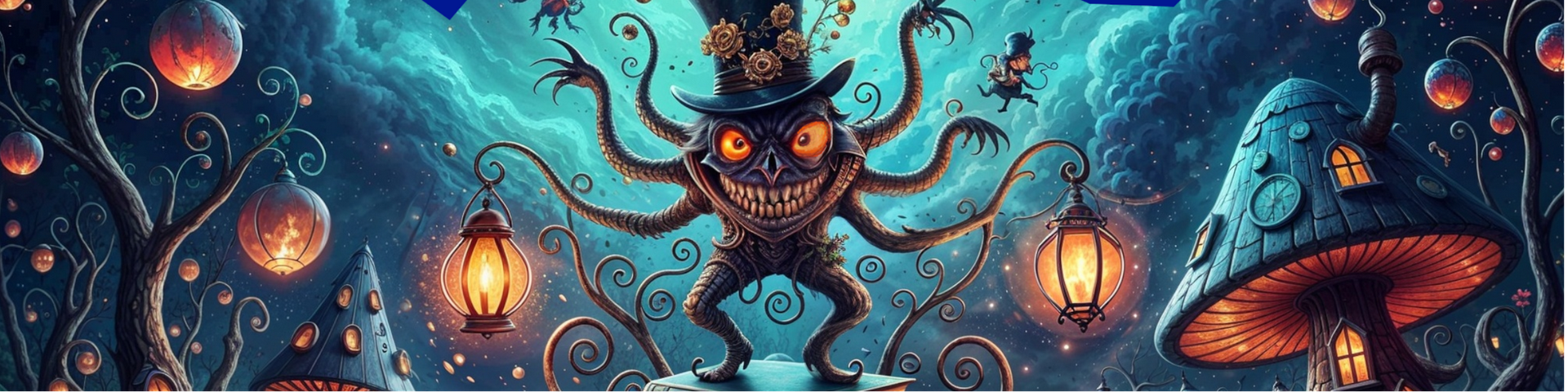
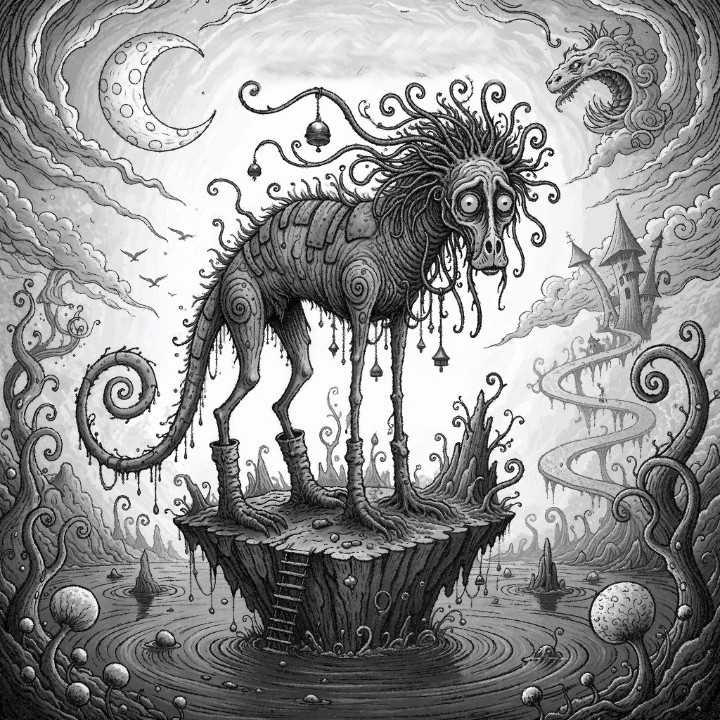
When people talk about cryptids, the same names usually dominate the conversation: Bigfoot, Mothman, Dogman, Nessie. Meanwhile, Australia has one of the most interesting and atmosphere-heavy monster traditions in the mix, and it often gets sidelined in modern internet folklore culture: the Bunyip.
That is a mistake.
The Bunyip stands out because it does not fit neatly into a single creature design. Depending on the retelling, it can be described in wildly different ways — part mammal, part bird, part reptile, or something that resists clean classification altogether. For some people, that inconsistency is a problem. For folklore, it is a feature.
Legends that endure are not always visually stable. They adapt to place, language, fear, and storytelling needs. The Bunyip lives in that unstable space, which is part of what makes it so powerful. It is less a fixed monster blueprint and more a regional fear-form tied to landscape, especially waterways, swamps, and isolated places.
That environmental connection is where the Bunyip becomes especially compelling. Water-based folklore across cultures often carries deep cautionary energy. Water hides depth. It distorts sound. It swallows tracks. It takes shape away from a witness. A creature associated with wetlands or water margins naturally picks up that same unease. You are not just dealing with “a monster.” You are dealing with a place that already feels uncertain.
From an art and storytelling perspective, the Bunyip has huge potential because it allows for interpretation without losing identity. You can lean into ambiguity, silhouette, texture, and environmental dread instead of over-explaining anatomy. In other words: perfect archive material.
Modern cryptid culture sometimes undervalues legends that do not have a single standardized “poster image.” But that is exactly why the Bunyip deserves more attention. It behaves like real folklore. It changes shape in the telling. It picks up local detail. It remains partly unresolved. It is not a polished franchise creature. It is stranger than that.
For an Australian-based cryptid and folklore brand, the Bunyip is also a smart anchor point. It roots the archive in local myth territory while still connecting to the broader international audience that already loves cryptid narratives. It gives the archive its own regional teeth instead of relying only on imported legends.
Handled respectfully and with care, Bunyip-themed posts and artwork can become a signature branch of the collection: murky waterline scenes, reed-shadow compositions, low-light banks, distorted reflections, and field reports that emphasize sound, movement, and missing visual confirmation. That mood practically builds itself.
In a culture overloaded with overexposed monster images, the Bunyip still feels uncertain. That uncertainty is not a weakness. It is the hook.
Some creatures dominate because they are easy to describe. Others endure because they are hard to pin down. The Bunyip belongs to the second category — and that is exactly why it should be in the archive.
.